
From Low-Income Vulnerability to Sustainable Livelihoods
The Problem We Are Solving
Economic vulnerability among rural women remains structurally entrenched.
As highlighted in our program data:
- 75% of rural female labour is unpaid family work
- Only 25% of rural women have completed 10 or more years of education (compared to 47% in urban areas)
- Many livelihood programs fail because skills are not linked to markets, geography, or women’s time realities
How Sampoorna Responds
Sampoorna is anchored in collective strength and local relevance.
Key elements of our approach include:
- Skill training linked to community needs
- Formation of self-help groups
- Product development and refinement
- Market-linked livelihood pathways
- Continuous mentoring and follow-up
The program evolves based on feedback and lived experience.
Phase 1: Jute & Handicrafts
Sampoorna began with jute-based products:
- Women trained in jute bags and handicrafts
- Average income generated: ~₹1,800 per month
- Several women became consistent entrepreneurs
- Represented in Govt Fairs like SARAS
Phase 2: Sundarbans Pivot – Reusable Menstrual Pads
In the Sundarbans—where monthly incomes drop and geographic isolation is severe—Sampoorna adapted.
The program shifted to:
- Reusable menstrual pads
- Low start-up cost with high local demand
- Direct linkage to Kusum Katha’s health work
- A climate- and context-responsive livelihood model
This pivot combined income generation with health impact, strengthening both sustainability and dignity.
Impact
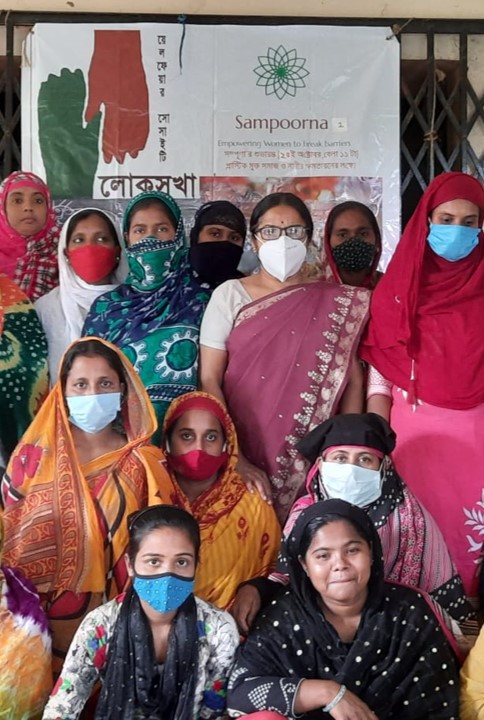
- 70+ women earning through Sampoorna
- Multiple successful training batches
SDG Alignment: SDG 8 – Decent Work & Economic Growth
0 Comments