
Bridging the Rural Healthcare Gap for Women and Children
The Problem We Are Addressing
As reflected in Loksakha’s long-term fieldwork and program data, access to basic healthcare remains severely limited in rural and remote regions of West Bengal.
Key challenges documented in our work include:
- 73% of the population lives in rural areas, but only 25% of healthcare infrastructure is available to them
- 86% of rural healthcare visits require travel of over 100 km, often at the cost of a full day’s wages
- 70% of healthcare expenses in rural areas are out-of-pocket
- West Bengal ranks 19th out of 28 states in child anemia
Women and children are the most affected—facing delayed care, untreated conditions, and preventable long-term health consequences.
How Loksakha Responds
Loksakha’s Health Initiatives bring essential healthcare closer to communities, rather than expecting communities to overcome distance, cost, and systemic barriers.
Our model focuses on targeted, preventive, and community-anchored healthcare delivery.
Our Dual-Focus Health Model
Child Health & Growth Monitoring
Focused on early detection and prevention:
- Growth and nutrition monitoring
- Malnutrition screening
- Identification of developmental delays
- Referral and follow-up support
Early intervention helps prevent long-term health and learning challenges.
Women’s Health & Wellness
Addressing persistent gaps in women’s healthcare:
- Gynecological screening
- Reproductive and maternal health education
- Anemia awareness and referral
- Cancer awareness and screening support
Impact
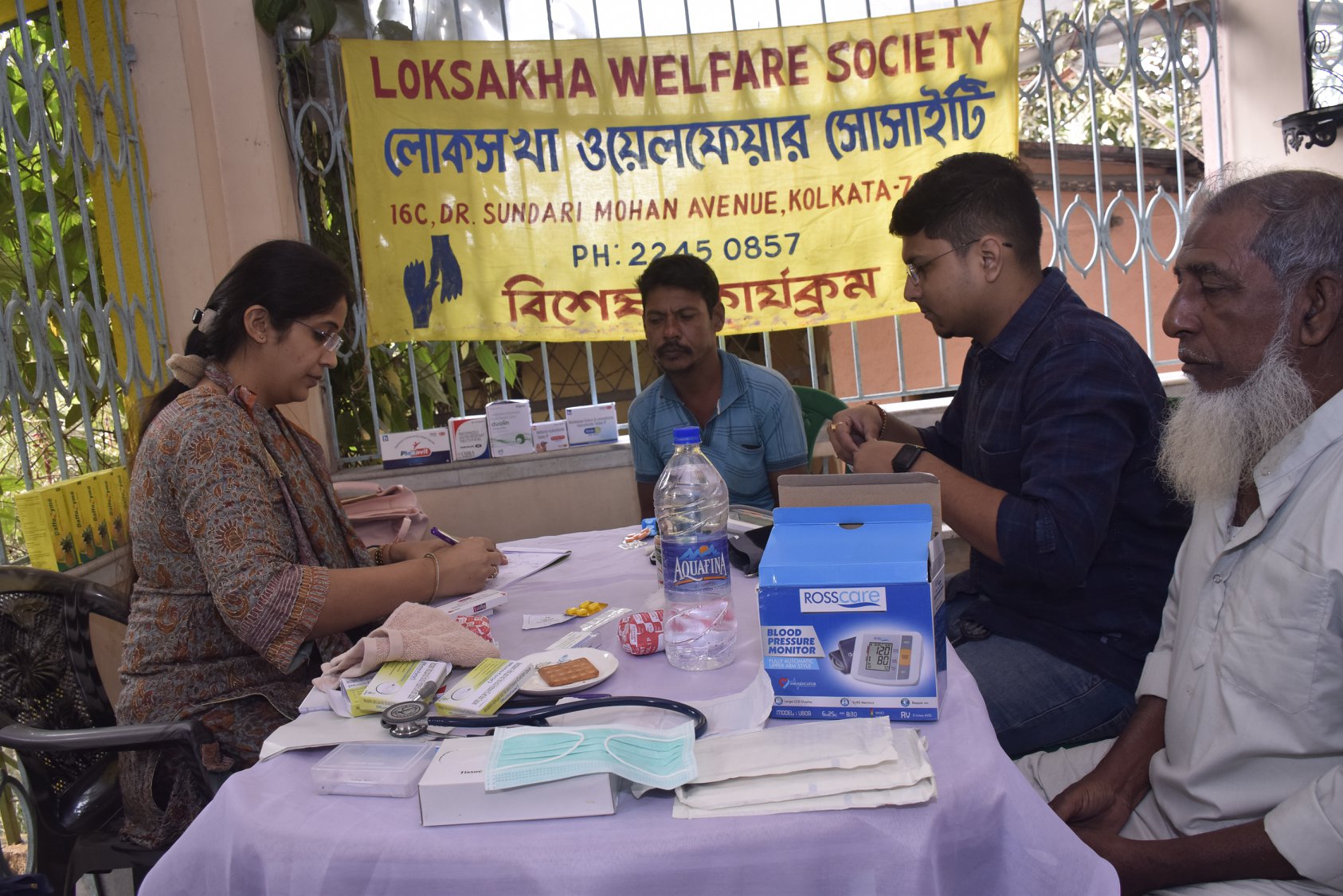
- 6,040+ health camp beneficiaries
- Services delivered across multiple rural districts
- Sustained outreach despite geographic and infrastructure challenges
SDG Alignment: SDG 3 – Good Health & Well-Being
0 Comments