
Advancing Menstrual Health Through Whole-Community Engagement
The Problem We Are Solving
Menstrual health challenges are a significant driver of educational and health inequality.
As reflected in our work:
- 28% school dropout is linked to menstrual health challenges
- Menstrual health conversations are often restricted to women and girls
- Excluding boys and men reinforces stigma, misinformation, and silence
- Remote communities lack access to accurate information and products
Treating menstrual health as a “women-only issue” limits long-term change.
How Kusum Katha Responds
Kusum Katha was intentionally designed as a whole-community model, engaging everyone who shapes social norms.
Our approach includes:
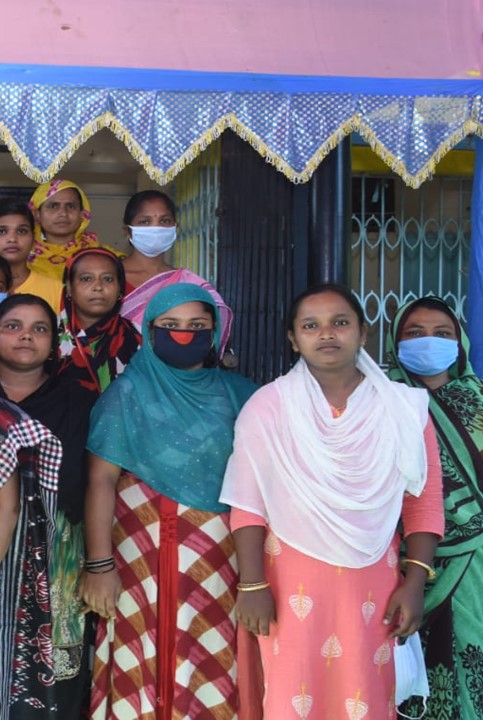
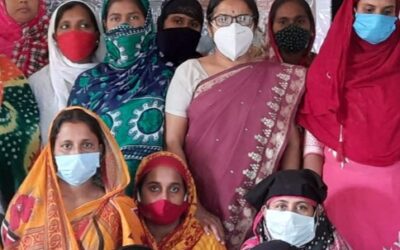
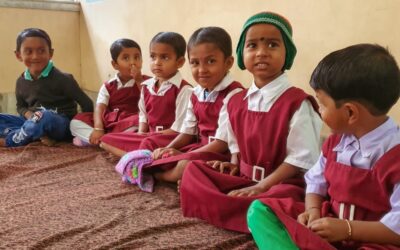
- Mixed sessions with girls and boys, normalising conversations early
- Targeted engagement with men, building understanding and allyship
- Education on menstrual science, hygiene, and health for girls and rural women
- Partnerships with ASHA workers, Anganwadis, schools, West Bengal Police, and local institutions
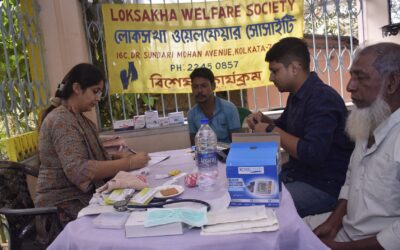
- Distribution of sanitary products with repeat sessions and follow-up
By addressing menstrual health at the community level, Kusum Katha creates sustained behavioral change—not short-term awareness.
Insert Video: Kusum Katha | 15,000 Steps Toward Empowered Futures
Impact (Anchored in Numbers)
- 15,500+ beneficiaries reached
- 268 awareness sessions conducted
- 76 remote locations covered
SDG Alignment: SDG 5 – Gender Equality
0 Comments